
Discover the Benefits of Loose-Leaf Teas for Health
- Janae Beckford

- Apr 1
- 4 min read
Tea has been cherished for centuries, not just for its delightful flavors but also for its numerous health benefits. Among the various types of tea, loose-leaf teas stand out for their superior quality and potential health advantages. In this blog post, we will explore the benefits of loose-leaf teas, how they differ from bagged teas, and why you should consider incorporating them into your daily routine.
What Are Loose-Leaf Teas?
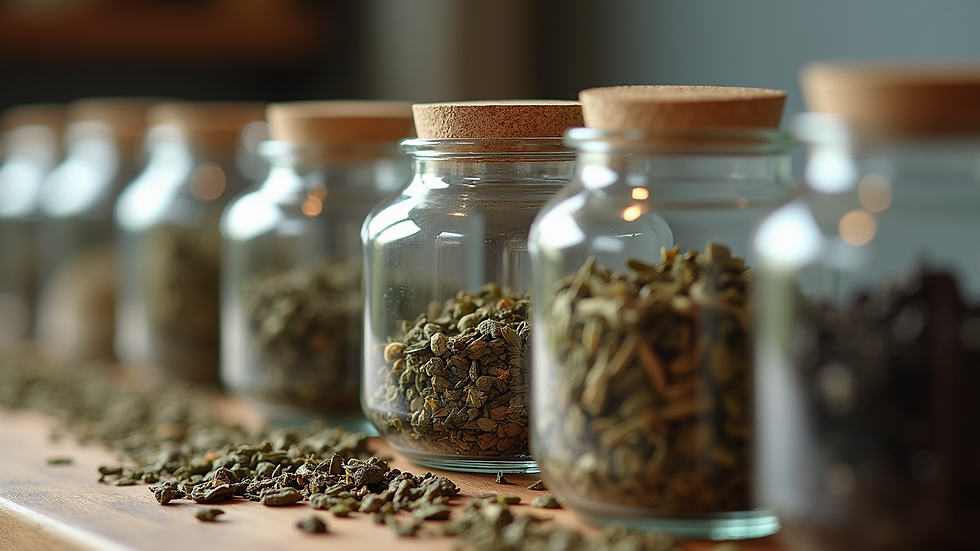
Loose-leaf tea refers to tea leaves that are not contained in bags. Instead, they are sold in bulk, allowing for a more authentic brewing experience. The leaves are typically larger and less processed than those found in tea bags, which often contain dust or fannings (broken tea leaves).
The Difference Between Loose-Leaf and Bagged Tea
Quality of Leaves: Loose-leaf teas generally consist of whole leaves, which retain more essential oils and flavors. Bagged teas often contain smaller, broken leaves that can lead to a less flavorful brew.
Flavor Profile: Because loose-leaf teas are less processed, they tend to have a richer and more complex flavor profile. This allows tea enthusiasts to enjoy a more nuanced tasting experience.
Brewing Flexibility: With loose-leaf tea, you have the freedom to adjust the amount of tea you use, allowing for a customized brew strength. Bagged teas are often pre-measured, limiting your options.
Environmental Impact: Loose-leaf teas typically come with less packaging than bagged teas, making them a more eco-friendly choice.
Health Benefits of Loose-Leaf Teas
Rich in Antioxidants
Loose-leaf teas are packed with antioxidants, which help combat oxidative stress in the body. Antioxidants can neutralize free radicals, potentially reducing the risk of chronic diseases. For example, green tea is known for its high levels of catechins, a type of antioxidant that has been linked to improved heart health.
Supports Digestive Health
Certain loose-leaf teas, such as peppermint and ginger, are renowned for their digestive benefits. Peppermint tea can help soothe an upset stomach, while ginger tea is often used to alleviate nausea. Drinking these teas regularly can promote a healthier digestive system.
Boosts Immune System
Herbal loose-leaf teas, like echinacea and elderberry, are known for their immune-boosting properties. These teas can help your body fend off colds and infections, especially during the colder months. Incorporating these into your routine can be a proactive approach to maintaining your health.
Aids in Weight Management
Some loose-leaf teas, particularly green tea and oolong tea, have been shown to support weight management. They can enhance metabolism and promote fat oxidation, making them a great addition to a balanced diet and exercise regimen.
Promotes Relaxation and Stress Relief
Herbal teas such as chamomile and lavender are famous for their calming effects. Drinking these teas can help reduce stress and promote relaxation, making them an excellent choice for winding down after a long day.
How to Brew Loose-Leaf Tea
Brewing loose-leaf tea is a simple yet rewarding process. Here’s a step-by-step guide to help you get started:
Choose Your Tea: Select a loose-leaf tea that appeals to your taste and desired health benefits.
Measure the Leaves: Use about one teaspoon of loose-leaf tea per cup of water. Adjust based on your taste preferences.
Heat the Water: Different teas require different water temperatures. For example, green tea is best brewed at around 175°F (80°C), while black tea can be brewed at 200°F (93°C).
Steep the Tea: Pour the hot water over the tea leaves and let them steep for the recommended time. Generally, black tea takes about 3-5 minutes, while green tea should steep for 2-3 minutes.
Strain and Enjoy: Use a tea strainer to remove the leaves, and enjoy your freshly brewed cup of tea.
Choosing the Right Loose-Leaf Tea
With so many options available, selecting the right loose-leaf tea can be overwhelming. Here are some tips to help you make an informed choice:
Consider Your Health Goals: If you’re looking for a specific health benefit, such as improved digestion or relaxation, choose teas known for those properties.
Explore Different Flavors: Loose-leaf teas come in a variety of flavors, from fruity to floral. Don’t hesitate to experiment to find what you enjoy most.
Check for Quality: Look for reputable brands that source their tea leaves ethically and sustainably. Quality matters when it comes to flavor and health benefits.
Storing Loose-Leaf Tea
Proper storage is essential to maintain the freshness and flavor of your loose-leaf tea. Here are some tips:
Use Airtight Containers: Store your tea in airtight containers to prevent exposure to air, moisture, and light.
Keep Away from Strong Odors: Tea can absorb odors from its surroundings, so store it away from spices and other strong-smelling items.
Avoid Heat: Keep your tea in a cool, dark place to preserve its flavor and potency.
The Social Aspect of Loose-Leaf Tea
Drinking tea can be a social experience. Whether you’re hosting a tea party or simply enjoying a cup with a friend, loose-leaf tea offers a unique opportunity to connect with others. Sharing different flavors and blends can lead to engaging conversations and a deeper appreciation for this ancient beverage.
Hosting a Tea Tasting
Consider hosting a loose-leaf tea tasting with friends or family. Here’s how to organize it:
Select a Theme: Choose a theme for your tasting, such as herbal teas, green teas, or international blends.
Prepare the Teas: Brew a selection of teas for your guests to sample. Provide tasting notes for each tea to enhance the experience.
Pair with Snacks: Offer light snacks that complement the teas, such as scones, biscuits, or fruit.
Encourage Discussion: Invite guests to share their thoughts on each tea, fostering a lively discussion about flavors and preferences.
Conclusion
Incorporating loose-leaf teas into your daily routine can offer numerous health benefits, from boosting your immune system to promoting relaxation. With their rich flavors and high-quality leaves, loose-leaf teas provide a delightful and healthful experience. So why not explore the world of loose-leaf teas today? Your taste buds and body will thank you.
As you embark on this journey, remember to experiment with different flavors, brewing techniques, and even share your experiences with friends. The world of tea is vast and full of surprises, waiting for you to discover its many benefits.


Comments